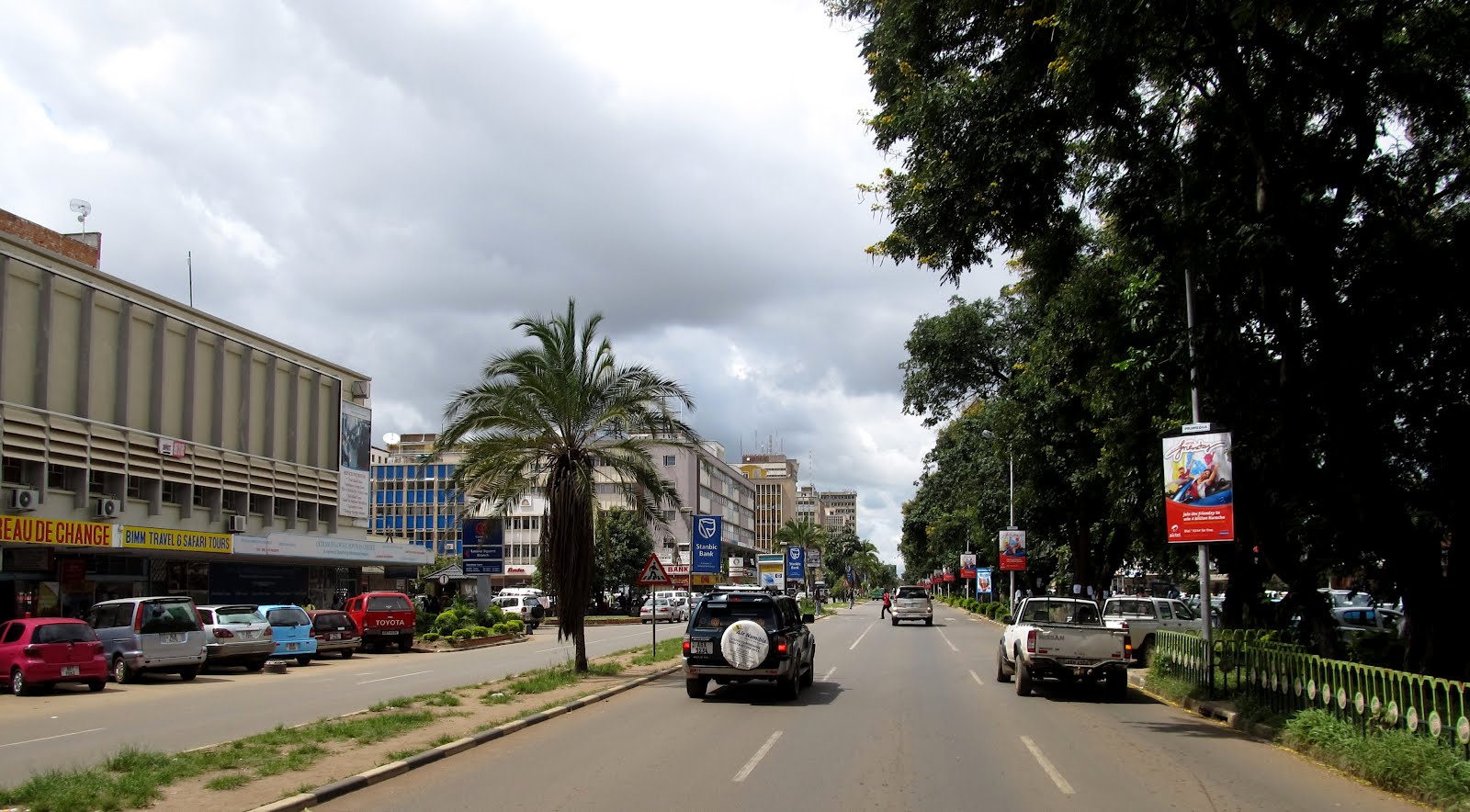
Livingstone scene.
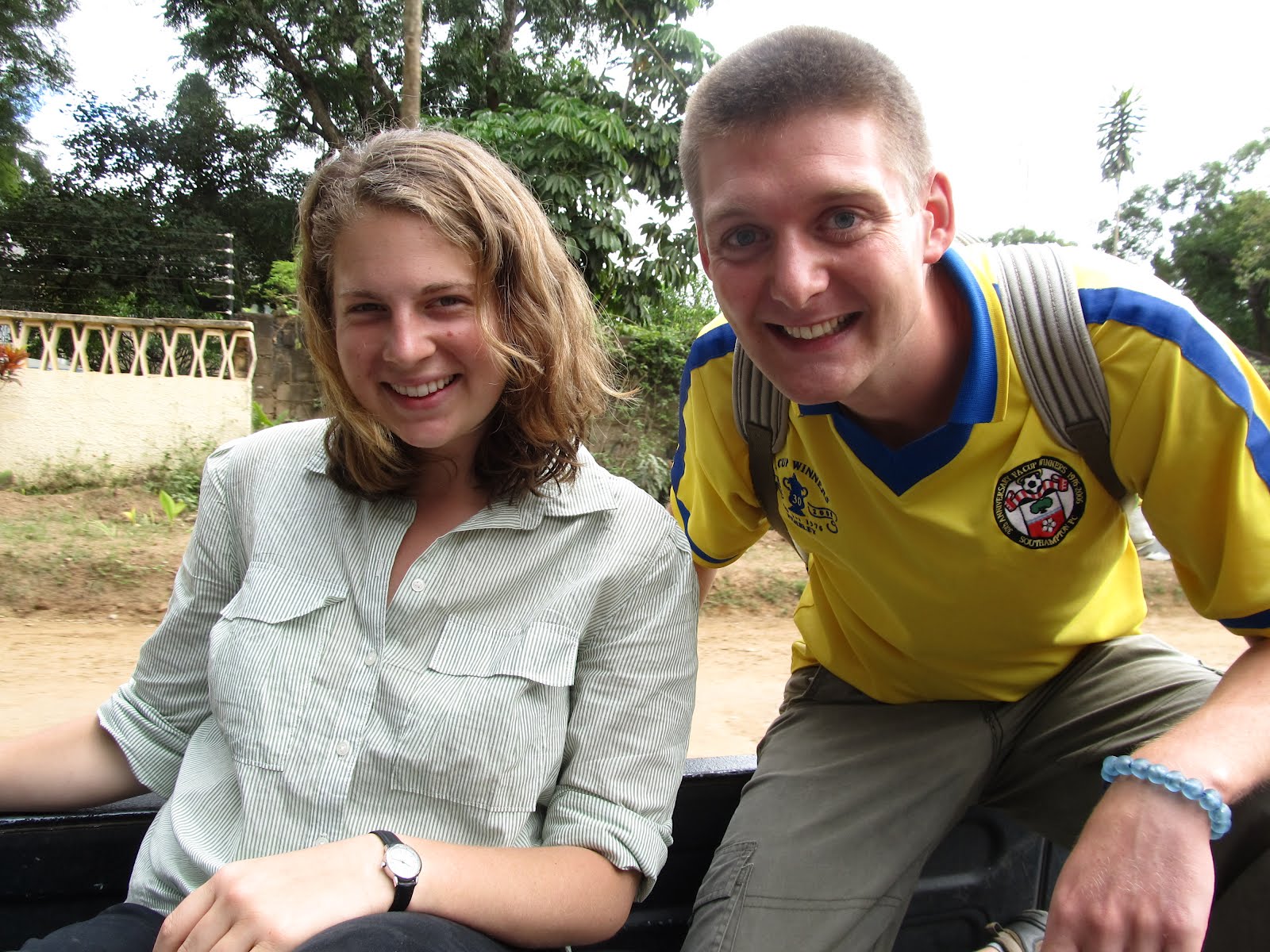
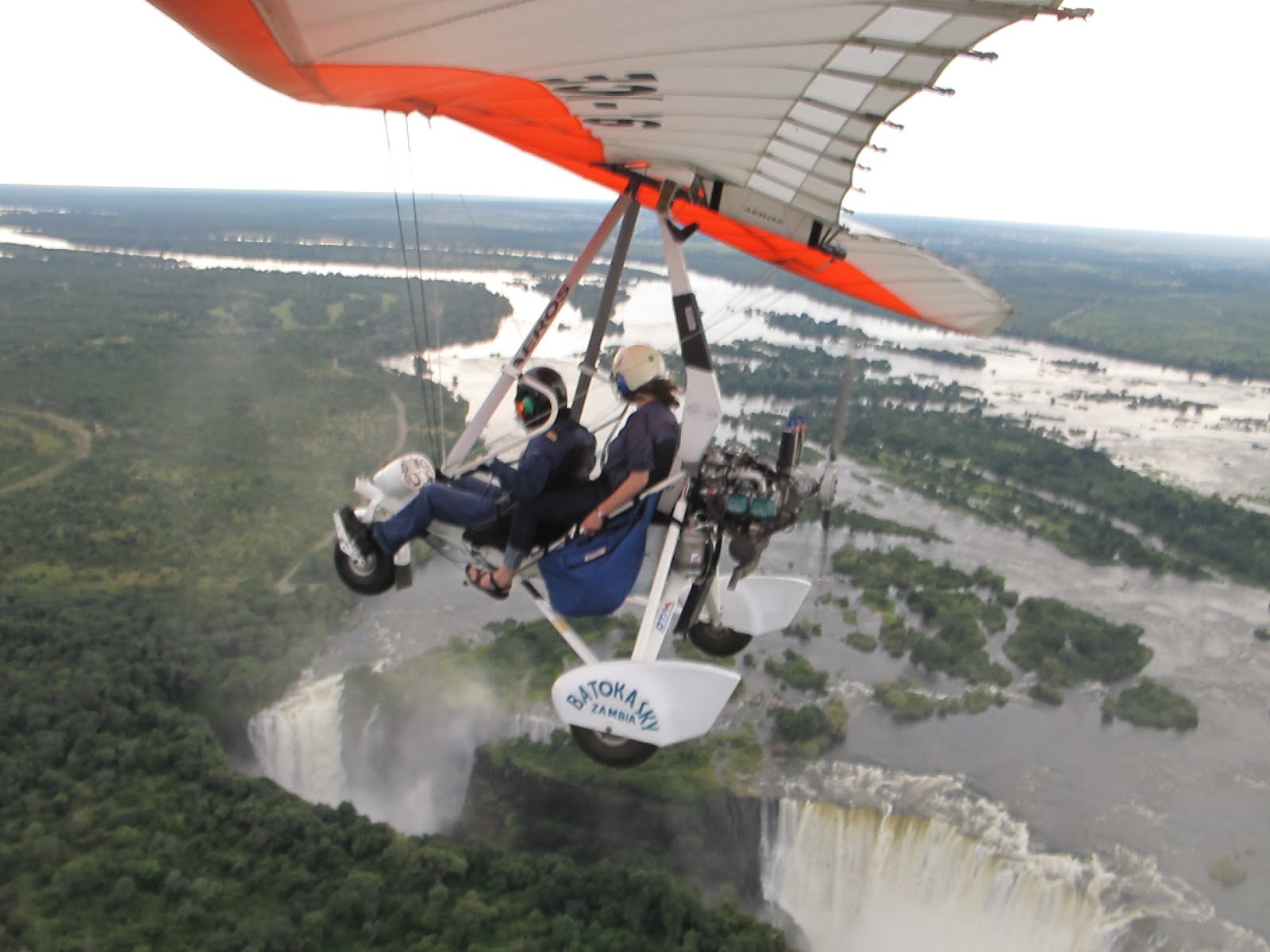
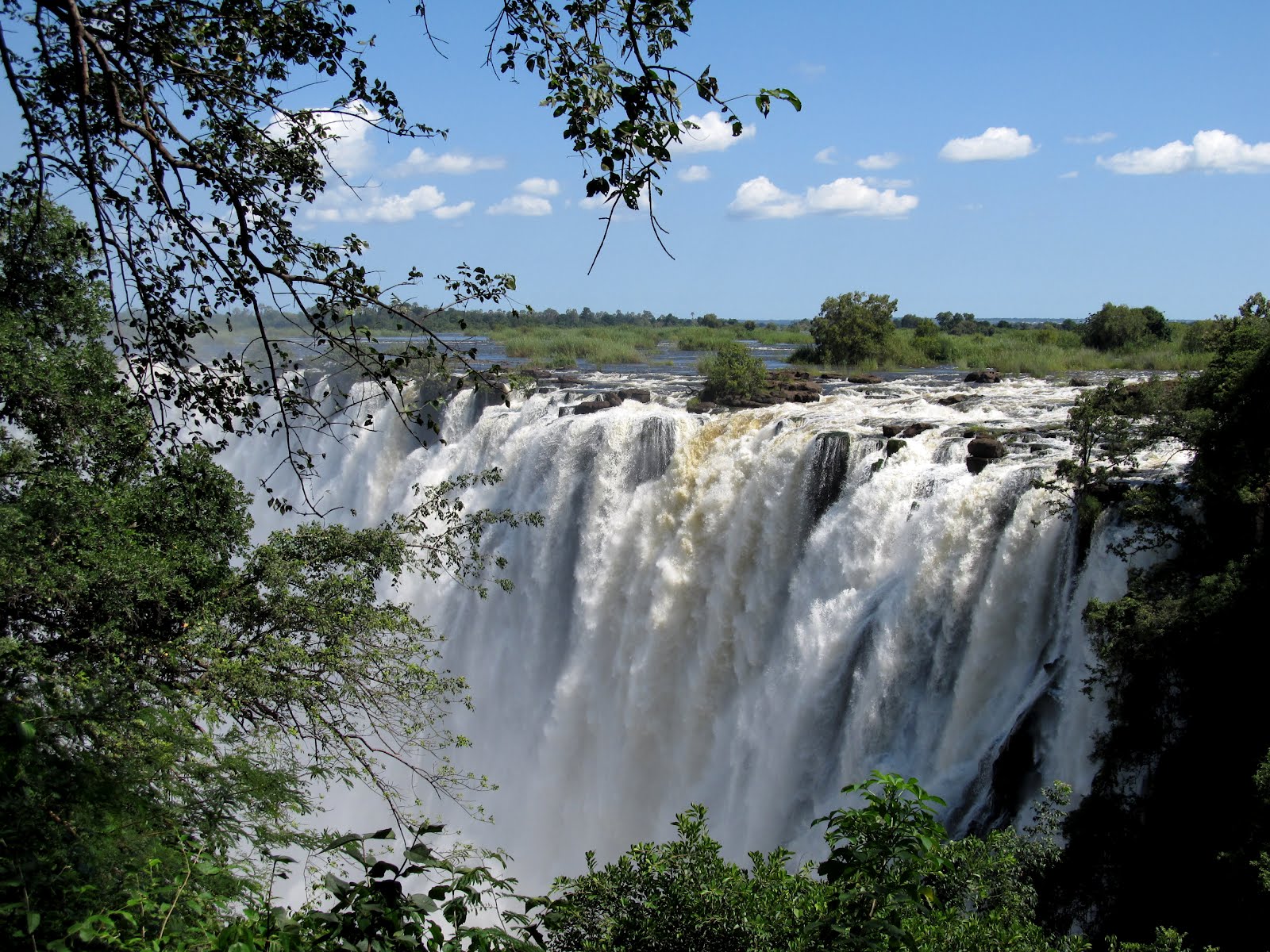
I’ve been in Zambia for a week now. Like the seven months that prefaced it, it feels like it’s been more and it feels like it’s been less. The week featured a rocky arrival, massive housing dilemma, some tired tears, bad sunburns, and a lot of mosquito (and unidentified insect) bites. It also featured seeing one of the seven wonders of the world, some breathtaking wildlife, a microlight flight, new friends, and getting to bond with the African cup. In between there were mornings that began with Munali coffee and daily dips in the hostel’s pool. Amid the madness, I began my research.
Calling it research sometimes feels like a lie, because in truth, I’m really just having informal conversations with anyone who wants to talk and calling it research. (One of the many reasons I love this year). As I was getting my feet on the ground this week I happened to have one conversation with a Zambian man about what he thought of all of this. He is the colleague of a woman staying at my hostel in Lusaka, and he was eager to talk about names and generously said I could share the information with you all.
His own story is an interesting one. Ndaniso’s name means sadness. He explained to me that he was given this name because he was born during a time of mourning. His aunt’s husband (his uncle), had just died. Out of respect to the family, they gave him a name that described what was happening at the time of his birth.
I learned from Ndaniso that this is a common practice in Zambia. Often, names here refer to situations, to moments in time. In 2012, these moments in time can be easily discovered on a massive global scale, and he told me that there have been many Zambian babies born in recent years with names that their parents found on TV news reports. In 1990, when the first George Bush sent troops into Iraq , it was on the news so much here that many parents decided to name their babies “Baghdad.” Currently in Zambia, the names of the Chipolopolo Boys (the Zambian football team) are spreading like wildfire after their recent victory. I’m hoping Super Tuesday gets little enough coverage on Zambian news that I won’t run into any babies named Santorum or Romney while I’m here.

Lusaka bus station.
The idea of naming your child after what is going on at the time of the child’s birth is one that works on a lot of different levels. As Ndaniso explained, this makes for names like “Saddam” and “Baghdad” that are taken from global news; but it also makes for names like his, a name that means sadness, because of what was happening within his family. There is a lot of space for the in between. He told me children here have been named a particular craving their mother had when pregnant with them, or even after named after an act of infidelity, if those were the circumstances surrounding their births. He told me that in Zambia there are a lot of babies named Caesar and that all of these babies were born from a caesarian section.
It is hard to make generalizations about names in Zambia, because a lot of parents’ motivations in choosing names are very dependent on what tribe their family is originally from, and what part of Zambia they’re living in. In some tribes, it is traditionally the father who has the power to name the baby, in others, it is the mother, and some tribes, the decision is shared. It is also not uncommon in Zambia for the father to give one name to the baby and the mother to give another, so the child has multiple names that change depending on who is speaking to him.

Showing Zambian pride on the day the Chipolopolo Boys came to Livingstone.
Unlike in other countries I’ve been to this year, (Germany in particular comes to mind), I doesn’t seem as if name choices in Zambia correspond as directly to the socioeconomic status or education level of the people choosing them. In my limited time in Zambia I’ve found names that run all over the gamut. I’ve met a “Moses” and a “Godsend”, a “Kingston”, a “Prince Harry”, and a “Nora.” The Lonely Planet guidebook explains that a lot of Zambia’s legal code is based on Victorian England’s and I think, that many of the names are as well. Whenever I give my name to waiters or taxi drivers here they all respond, “Oh Nell! You mean Nelly?” Zambians recognize my name (and its derivatives) far more than people in any other country I’ve been to this year have, which makes an odd kind of sense when you consider that my name shows itself the most in Dickens novels.
Although the David Livingstone story is pretty well known, I’m finding that to dig into the variety of names you find around here, I need a better understanding of Zambian history than that story alone. Livingstone remains remarkably popular here which was somewhat of a surprise to me. I think that a large part of his popularity is because in some ways he was ahead of his time. When he traveled up the Zambezi in the 1850s as a missionary he was hoping that teaching Christian principles would be a way of abolishing the slave trade. Because of his work for racial equality, most Zambians see him as a heroic figure (despite the fact—excuse my cynicism—that he came right in and “discovered” the waterfall they already knew existed, and slapped a new name on it after the Queen). He paved the way for many missionary groups in Zambia, and there are still copious missions today all around the country. When Cecil John Rhodes led the British South Africa Company to lay claims on Zambia (then Northern Rhodesia), mainly for its large copper deposits, the country became more directly under colonial influence, both legally and religiously. Zambia was under the control of the British from 1924 until the Prime Minister turned President Kenneth Kaunda led the independence movement.
In other words, Zambia has only been an independent country for less than fifty years and I think in some ways it’s still figuring out how to band together its diverse population and demographics. In addition to the diversity of its own population, it is a landlocked country surrounded by no less than eight other countries (Zambia touches the Democratic Republic of the Congo, Tanzania, Malawi, Mozambique, Zimbabwe, Botswana, Namibia and Angola). The large amount of unrest in this region in recent years means that Zambia has been trying to figure out how to stay above water, while geographically being smack in the middle of it all. This also wasn’t made easy by the fact that right after independence, due to corruption in the government and a fall in copper prices, Zambia became one of the poorest countries in the world. Although the economy has greatly improved since then, (particularly in the early 2000s), today 68% of Zambians live below the recognized national poverty line, and on the UN’s human development index in 2008, Zambia ranked 163rd out of 179 countries. There is a lot that hasn’t made economic recovery here easy, not to mention the scarily high HIV/AIDS rate here (more than one in SEVEN Zambian adults is infected).

Map taken from LonelyPlanet.com
Excuse the history lesson, but I do think this all does relate back to names, and I’m finding these national stories to be increasingly important tools for my research this year. Ndaniso told me that a common question many Zambian parents ask themselves when naming their children is whether to give them African names or English names. Some parents compromise by giving them one of each. I asked him if the use of African or English names corresponded to certain population demographics and he said it varied. According to him, “some educated people who go to school or work in the UK come back and want to use English names, so they give those to their babies instead of African names. But the same situation sometimes means the opposite; some educated people who go to school or work in the UK or something come back and that makes them really want to use African names, no English names.”

I asked Ndaniso (who has a four month old son named Jems) whether he would use African or English names for his other children and he said that he only cared that they were family names and Zambian names. For Ndaniso the question of names is one that is strictly about place. “I couldn’t have my name in the U.S”, he told me. “If I moved to the U.S. I’d have to be Daniel Brown or something.”
I told him I thought this was a little sad. “Why do you think you’d have to be Daniel Brown there?”
“Because if I wasn’t, people would know I didn’t belong. If you go to another country, illegally, and you want to blend in, you need to change your name.” He explained further, “If I moved to South Africa, I’d need a new South African name. The police would stop me and I’d tell them my name and tell them a lie about which South African tribe my family was from. The police would then touch here” (he gestured to his elbow), “and ask me what the word for that in my tribe was. The police are in a big group, with people from different tribes, so someone would know the right word.” He thought about it a little bit. “But they’d know, in South Africa. Whenever people try to go there illegally they’re given away because of this.” He lifted his sleeve and showed me a small indentation. “That’s from a polio vaccination,” he told me. “In all of central Africa they’re given in the right arm, but in South Africa, they give them on the left arm. That way they’d know I wasn’t from there.”
Your name has serious implications in this part of Africa because it describes where you’re from and who your family is. Ndaniso tells me he could hear any name in Zambia and know what tribe the person’s family is from (he thinks he'd be right about 90% of the time). There are rumors that Zambian police are more likely to arrest people whose surnames are not Zambian; it’s assumed if your last name is Banda, for example, that you’re Malawian. Foreign sounding names can make it harder to get jobs here and because of this, for Ndaniso, names correspond directly to place. If you change places, you change names.

I asked him if it was easy to change a name in Zambia and he told me there are a series of steps you need to take. The first of these is that you need to put an advertisement in the paper for a certain number of weeks announcing that you want to change your name and asking if anyone objects. He told me that this is to prevent criminals from legally changing their name so that no one can find them. (“No one reads this part of the paper, so no one objects,” he told me). When that happens, a new name is granted.
In addition to representing place, Ndaniso explained that names here often describe placement within a family. The name “Chola”, for example, is a Bemba name given to a child who comes after twins. The name “Mutintu” is given to a baby who is of the opposite gender than his or her older siblings. (Mutintu could be given to a girl with an older brother, for example, or a boy with an older sister). Coming from Germany, where the gender of the child must be clear from a strictly legal perspective, I find it very interesting that in Zambia, Mutintu is a common name that is not only unisex, but indicates there’s been a shift in gender within the family; the gender of the individual is less important.

Spotted en route to Livingstone
Ndaniso told me babies are often named after people who have been successful. “A lot of people here believe in witchcraft,” he said with a smile, “I don’t, but they think that maybe the baby will grow up with the same spirit, the same motivation.”
I asked Ndaniso about his own philosophy on names. “What was it like growing up with a name like sadness?” I asked him. “Did that make you sad as a child?”
“No.” He told me. “Some people believed that would happen and they wanted my father to change my name. But I’ve never been sad in my life. My father’s name meant celebration.”
He thought for a while and then added, “certain names remind you of what happened. When people say, ‘when did auntie’s husband die?’ We can remember that it was 1969 because that’s the year I was born.”
Ndaniso believes that names don’t affect who you are, but he gave one counter example. “I have a cousin named Ndaba Zinhle. Ndaba means “news” and Zinhle means “good” because the day he was born his father got good news. He went on to become the best journalist in Zimbabwe.” He shrugged. “Maybe names control what you’re going to do.”

These kids were too shy (or didn't understand enough of my English) for me to learn their names, but they REALLY liked seeing pictures of themselves.
Ndaniso told me that different groups in Zambia are divided on the issue of names. Some people believe that African names should be used exclusively, others English names. It is also a country that is now home to many Christian missionaries from the English-speaking world, a fairly large Chinese population, as well as an Indian population. All of these people influencing names in modern day Zambia. Ndaniso told me, for example, that “churches want parents to give positive names, like names that mean success or happiness.”
He smiled, “A name like sadness would not be encouraged.”
Ndaniso has a smile that seems to take over his whole face. It does seem peculiar to me that he has a name like sadness, but on the other hand, maybe it’s actually perfect. Because, I imagine that when family members do turn to each other and ask, “When did auntie’s husband die?” they may remember sadness, but that also makes them remember his entry into the world. And if Ndaniso as a baby is anything like Ndaniso as an adult, I imagine that this entrance into the world was nothing less than joyful. I wonder if by bearing his family’s sadness through his name, Ndaniso may have come to mean something else entirely.

 Manase (center) and her friends at their preschool in the Eastern Province.
 The Lachman Family: Katie & David, Elijah & Ketzia
 En route
 Stopping along Great East Road to rearrange some cargo and meet some people.
 Marjanne (one woman from Covenant College) and I caused the scene above when we pulled up to the school in a car.